




Principal
Assessment Innovation Matters, United States
Randy Bennett is Principal with Assessment Innovation Matters, which provides consultation in assessment innovation and assessment research. He is an elected member of the US National Academy of Education and a fellow of the American Educational Research Association, as well as a recipient of the AERA E. F. Lindquist Award, the AERA Cognition and Assessment SIG Significant Contribution to Research in Assessment and Cognition Award, and the NCME Bradley Hanson Contributions to Educational Measurement Award (with H. Guo, M. Zhang, & P. Deane). From 2010 to 2025, he was the Norman O. Frederiksen Chair in Assessment Innovation at ETS in Princeton, NJ. His work concentrates on personalizing assessment, fairness, and equity
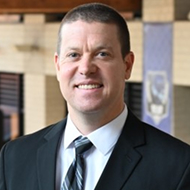
Upper School Learning Support Coordinator
Canadian International School of Hong Kong, Hong Kong, China
Andrew is currently pursuing a Doctorate of Education in Instructional Technology at Appalachian State University, where his research explores generative AI prompting in schools. He serves on the Council of International Schools (CIS) AI task force, has contributed to AI- focused initiatives through Next Frontier Inclusion (NFI) and International School Leaders of Educational Support (ISLES) committees, and is an AI presenter for Toddle.
Originally from North Carolina, Andrew Bumgarner brings a global perspective and a strong interest in how emerging technologies can improve teaching and learning. Over the course of his international education career in the U.S., Thailand, China, Paraguay, Switzerland, and Hong Kong, he has focused on integrating instructional technology in ways that increase accessibility, engagement, and meaningful student participation. His current work centers on the role of generative AI in education, particularly how structured prompting can support diverse learners and improve curriculum access.

Director of Science Learning Hub
University of Waikato, New Zealand
My research interests straddle science, technology and STEM education across the school years, with a strong focus on innovative approaches to education in these disciplines, and I am proud to be Director of the award-winning Science Learning Hub - Pokapū Akoranga Pūtaiao. Other current and recent projects include as Principal Investigator for Magnifying curiosity by investigating the very small (with Dr Sophie Rodrigues) and Te ohomauri o Wairere: The empowering lifeforce of Wairere (with Wiremu Puke) (funded by MBIE's Unlocking Curious Minds initiative); and On2Science: Multiple affordances for learning through participation in online citizen science (with Dr Cathal Doyle from Victoria University of Wellington) (funded by the Ministry of Education and administered by NZCER) and Director of Education for the Centres for Asia-Pacific Excellence (funded by TEC).
I am committed to the teaching-research nexus, and much of my research has led to the development of teacher-facing educational resources. These include the Ethics thinking toolkit, Futures thinking toolkit, Digital technologies and future-oriented science education discussion document for schools, and the citizen science section on the Science Learning Hub. I am on the Advisory Board of the US-based Biology Online and was an advisor for the Ministry of Education's Connected series (2014–2020). In 2022 I led a team reviewing the Ministry of Education's online resources for science and technology education and in 2024 we developed new science education resources for the Ministry's Tāhūrangi portal. In 2023 I was a member of the writing team for the 'refresh' of the science learning area within the New Zealand curriculum.
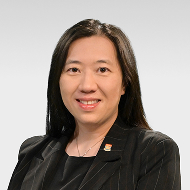
Founding Director, Teaching and Learning Innovation Centre (TALIC)
Professor, Faculty of Education
The University of Hong Kong, Hong Kong, China
Professor Cecilia K. Y. Chan is an internationally recognised leader in artificial intelligence (AI) in education and holistic competency development, she is ranked #52 globally in Education and among the Top 2% of scientists (Stanford–Elsevier, 2025). She is Founding Director of the Teaching and Learning Innovation Centre (TALIC) and Professor at the Faculty of Education in the University of Hong Kong. She has published extensively in leading journals such as Educational Research Review and the International Journal of Educational Technology in Higher Education. Her scholarship has shaped international discourse on digital education, and assessment, earning awards including the HKU Young Researcher Award, the HKU Research Output Prize, and the UGC HK Excellence Teaching Team Award.
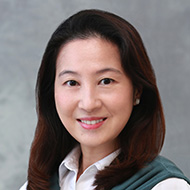
Managing Director
Solomon Learning Group and Goodclass.ai, Hong Kong, China
Gisa Chan serves as the Managing Director of Solomon Learning Group and Goodclass.ai. She focuses on exploring how artificial intelligence can be thoughtfully integrated into classrooms to support teachers and enrich student learning. Gisa has led over 600 workshops for students, teachers, and parents at over 500 schools across Hong Kong, covering both financial and AI literacy. Her pedagogical approach blends interactive tools, real-life case studies, and simple frameworks to help educators and learners navigate complex topics with the help of AI.
Before moving into the education sector, Gisa spent over 18 years working in the financial industry across Asia, the U.S., and Europe, specializing in M&A and risk management. She holds a BSc in Computer Science from the University of Hong Kong and the University of Sydney. She is also ACAM-certified and holds a Six Sigma Black Belt in quality management.
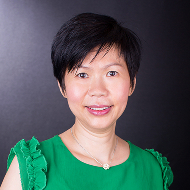
Founder and Chief Catalyst, InnoFoco
Co-Founder, Esperanza, Hong Kong, China
Rachel is a a tri-partite professional, working actively in the consulting, NGO and academic spheres. She has embarked on a continuous journey of discovery and transformation for herself and her employer/clients spanning a career history of over 35 years, working first in the Administrative Service of the Hong Kong Government, moving to marketing in the Hong Kong Trade Development Council and then consulting with the setting up of InnoFoco in 2007. In Aug 2018, Rachel co-founded an NGO Esperanza with Mr John C Tsang, the former Financial Secretary of HKSAR to advocate new ways to live, learn and work.
Rachel is a regular contributor to the SCMP as a policy entrepreneur and an innovation ecosystem builder. Rachel was a graduate of the University of Hong Kong and a Sloan Fellow (Master’s of Science) at the London Business School.
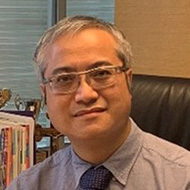
Vice Principal (Academic)
La Salle College, Hong Kong, China
Chan Yun Kit, Samuel, serves as the Vice Principal (Academic) of La Salle College. A scientist at heart, he holds an M.Phil. in Chemistry from the Hong Kong University of Science and Technology (1995). Samuel firmly believes that devoted teachers are the cornerstone of successful education. He views teachers as more than just "fountains of knowledge"; they are essential role models who must commit to continuous professional development to refine their pedagogical skills and uphold the school’s core values.
As the leader of the school’s IT and STEM development, Samuel is a proactive driver of technological transformation. He has spearheaded the comprehensive integration of Artificial Intelligence into the curriculum, guided by a philosophy of "AI for all." By providing foundational AI training for every student while simultaneously offering specialized enrichment for those with exceptional aptitude, he ensures the school prepares students for the challenges of a digital future. His approach emphasizes ethical AI use, community-focused problem solving, and interdisciplinary innovation.
Samuel actively cultivates a collaborative ecosystem where teachers share successful strategies and mentor one another. By championing technological advancement in both the classroom and extracurricular spheres, Samuel remains dedicated to empowering students and teachers alike to thrive in a rapidly evolving world.
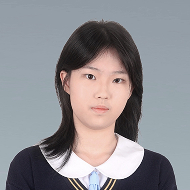
Christian Alliance SW Chan Memorial College, Hong Kong, China
A student researcher from Christian Alliance SW Chan Memorial College, specializing in AI, Zoology, and Veterinary Sciences. With extensive STEM experience, including the S.T. Yau High School Science Award, she applies computational technology to solve real-world biological challenges through her innovative school-based research.
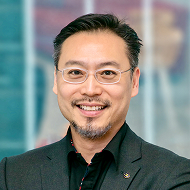
Serial Tech Entrepreneur and Angel Investor
Jason is a founder of Cherrypicks, creator of many iconic apps, including LeaveHomeSafe (安心出行), eHealth (醫健通), HA Go and HSBC PayMe. He is also co-founder and executive chairman of Collectiv, AI World Model and Spatial Agent. Being a cofounder and honorary president of the Hong Kong Startup Council, Jason is an active angel investor of over 30 deep tech startups across AI, web3, digital health and learning technologies. Jason is a Council member of the University of Hong Kong (HKU) and he serve as chairman of the HKU Versitech (commercialization arm of HKU technology transfer). Jason is a guest lecturer at Harvard Business School (Cherrypicks’ Case #N9-807-106), HKU Doctor of Public Administration and several prominent EMBA programs. He is an independent non-executive director of MOX Bank, chairman of the vetting committee of General Support Programme of the Government’s I&T Fund, board member of the Hong Kong Applied Science and Technology Research (ASTRI) and the HK Housing Authority. He was awarded Orator of the Li Shu Pui Scientific Symposium Lecture 2025, Orator of the Digby Memorial Lecture 2024, YPO Global Impact Award Honouree 2022 and HK Young Industrialist 2014.
Jason is the author of http://blazingstallion.com, Blazing Stallion Notebook, a substack publication on AI, learning, entrepreneurship and emerging technologies.
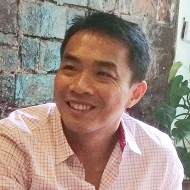
Associate Professor of AI and STEM Education
The Chinese University of Hong Kong, Hong Kong, China
Thomas Chiu, Associate Professor of AI and STEM Education at The Chinese University of Hong Kong, is a globally recognized leader in his field. His sustained scholarly impact is evidenced by his inclusion in the Stanford University Top 2% Most Cited Scientists list. He provides significant editorial leadership as Editor-in-Chief of Interactive Learning Environments and Associate Editor for four leading journals in STEM, educational technology and psychology. His expertise is sought internationally, reflected in visiting scholar appointments across five continents. He drives innovation through the development of professional development initiatives and curricula for AI education, and AI applications for nurturing core skills. He regularly shares his expertise as a keynote and invited speaker at global academic and professional forums.
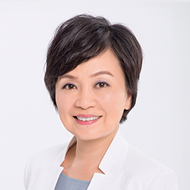
Secretary for Education
Hong Kong SAR Government, Hong Kong, China
Dr Choi joined the political team of the Education Bureau as Under Secretary for Education in 2017 and assumed the office of Secretary for Education in 2022.
Dr Choi has worked in the education sector for nearly 40 years. She began her teaching career in secondary schools in 1988, serving for more than a decade before joining the Education Bureau’s Curriculum Development Institute, after which she became a secondary school principal. Throughout the years, she actively engaged in community and educational services dedicated to enhancing teacher professionalism and promoting a culture of respect for teachers. Her notable initiatives included organising the Outstanding Teacher Awards and establishing the Hong Kong Teachers Dream Fund. She also served as a member of the Basic Law Promotion Steering Committee, the Fight Crime Committee and the Commission on Youth.
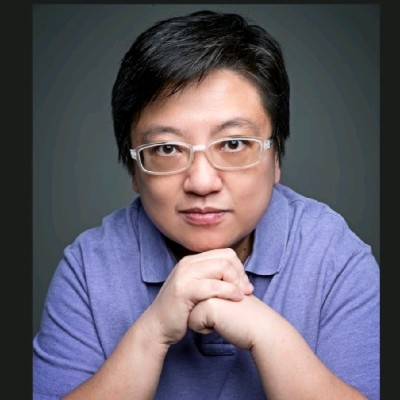
Executive Director
Hong Kong Smart City Academy, Hong Kong, China
Rene has spent over 20 years shaping the education landscape, beginning her career as an English teacher on the frontlines. In the years that followed, she played a key role in establishing one of Hong Kong’s largest private learning chains.
More recently, Rene has been instrumental in creating one of Asia’s biggest Education Expos. As she witnesses the rapid advancement of AI in education, she remains deeply mindful of the need to preserve humanity amid technological progress. She is also acutely aware of the growing digital divide among students and parents.
To actively involve parents in the adoption of AI in learning, Rene introduced a new initiative at this year’s Learning and Teaching Expo: the Parents’ Summit. The program aims to help families become future-ready as a unit, while encouraging parents to recognize the essential role of parenting in the digital age.
At LTE2025, Rene took a significant step further by placing a strong emphasis on social-emotional learning and the mental well-being of both students and teachers.
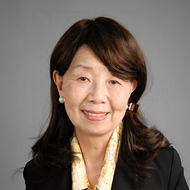
President
Forum for World Education
Dr. Cheng Yan Davis is President of the Forum for World Education (FWE), a global nonprofit organization dedicated to advancing international education, cross-cultural dialogue, and leadership development. In this role, she works closely with educators, policymakers, and global leaders to promote international cooperation and innovative education initiatives worldwide. With decades of experience in higher education leadership and international engagement, Dr. Davis has built strong partnerships across academia, government, and global institutions.
In addition to her leadership at FWE, Dr. Davis served as Special Advisor to the President of Teachers College, Columbia University, focusing on international advancement. Prior to joining Teachers College, she held senior leadership roles at the University of Pennsylvania, where she was Vice Dean of the Graduate School of Education and Special Advisor to the President on internationalization initiatives, and earlier served as Vice President of Drexel University.
During her 17 years at Penn, Dr. Davis founded GSE International, the first international programs office among Ivy League graduate schools of education, which became a major platform for global academic collaboration. Guided by an “East Meets West” philosophy, she has led international education initiatives connecting partners across Asia, Europe, and North America, including cross-national research programs, education roundtables, and leadership development initiatives that promote dialogue and cooperation.
Dr. Davis maintains extensive relationships with senior officials and academic leaders across Asia and beyond, contributing to education cooperation between the United States, Asia, and the Middle East. Recognized for her strategic vision and leadership in international education, she serves on advisory boards for educational institutions, corporations, and government organizations, and has received numerous honors, including the President’s Award for Excellent Leadership from Drexel University and the Princess Maha Chakri Award for advancing international educational collaboration.

Deputy Director of Education and Skills
The Organisation for Economic Co-operation and Development (OECD)
As Deputy Director of Education and Skills at the OECD Dr. Dellagnelo plays a key leadership role in advancing the organisation’s mission to help countries improve the quality, equity, and effectiveness of their education systems.
A senior professional with extensive cross sector experience working for governments, NGOs and international organizations, Dr. Dellagnelo served, among other roles, as CEO of the Center of Innovation for Brazilian Education (CIEB) and as Secretary of Sustainable Economic Development for Santa Catarina State Government (2011-2015).
A dual Brazilian and Luxembourg national, Dr. Dellagnelo holds a Doctor and a Master degree from the Harvard Graduate School of Education.
President, EasyTransfer
Board Member, Forum for World Education
Yutong (Tony) Gao is the President of EasyTransfer, a global payment platform enabling international students to pay tuition, rent, and living expenses worldwide.
Founded over a decade ago, EasyTransfer has grown into a leading cross-border infrastructure, serving 300,000+ students across 100+ countries and processing over $4.5 billion annually.
Tony leads the company’s expansion from payments into a full-stack financial platform—transforming fragmented global transactions into a seamless digital banking experience for the next generation of international students.
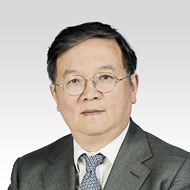
Provost
The Hong Kong University of Science and Technology, Hong Kong, China
Professor Yike Guo is the Provost of the Hong Kong University of Science and Technology, Chair Professor in the Department of Computer Science and Engineering as well as Department of Electronic and Computer Engineering, and also Director of Hong Kong Generative AI Research and Development Center. He is a world-renowned computer scientist who has led several large-scale AI and data science research projects in Hong Kong, Mainland China, the UK and other European countries. He was the Founding Director of the Data Science Institute at Imperial College London, one of its seven Global Institutes, as well as the Vice President (Research and Development) at Hong Kong Baptist University. He is a Fellow of the Royal Academy of Engineering (FREng), a Member of Academia Europaea (MAE), Fellow of the Hong Kong Academy of Engineering Sciences (FHKEng), Fellow of the Institute of Electrical and Electronics Engineers (FIEEE), Fellow of the British Computer Society (FBCS), and Fellow of Chinese Association for Artificial Intelligence (FCAAI).
Professor Guo was awarded the Outstanding Contribution Award of the 2022 Wu Wenjun Artificial Intelligence Science and Technology Award, which is considered to be the highest award for Chinese AI science and technology. In June 2025, Professor Guo was named "Leader of the Year 2024" in the Education/Professional/Technology and Innovation category from Sing Tao News Corporation for his transformative contributions to education and technological innovation in Hong Kong. In November of the same year, Professor Guo was elected as an International Member of the Chinese Academy of Engineering (CAE) in recognition of his exceptional contributions to the Information and Electronics Engineering Division. The CAE is the nation's highest academic institution in engineering sciences and technology, and membership is considered as the highest lifelong academic honor in the field.
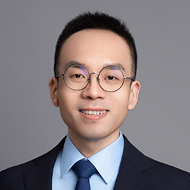
Associate Academic Director of MSc Economics Program
Senior Lecturer, Adjunct Associate Professor
The Hong Kong University of Science and Technology, Hong Kong, China
Professor Dean He is the associate academic director of the MSc Economics program and he teaches applied econometrics and the business of happiness courses in the MSc Economics and MBA programs. Professor He studies economics of education primarily. Prior to join HKUST Business School, Professor He had extensive economics and econometrics teaching experience at both the undergraduate and graduate levels, in both the U.S. and Hong Kong. Professor He is also enthusiastic and very passionate with international schools at the K-12 level, selective college admissions and is an active business entrepreneur in consumer products industry. He holds a Ph.D. in Economics from the Graduate School of Arts and Sciences at Columbia University.
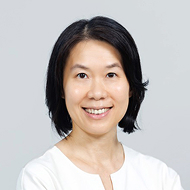
Professor
Division of Social Science
Department of Computer Science and Engineering
The Hong Kong University of Science and Technology, Hong Kong, China
Janet Hsiao is Professor of Social Science and Professor of Computer Science & Engineering at Hong Kong University of Science & Technology (HKUST). She is also a co-director of the AI Ethics and Governance Lab at HKUST. She received her Ph.D. in Informatics from University of Edinburgh and was a postdoctoral researcher at University of California San Diego. She is best known for her interdisciplinary approaches to human cognition across artificial intelligence, psychology, linguistics, and neuroscience, and the application of these approaches to AI explainability and benchmarking issues. She is a Fellow of the Cognitive Science Society and serves on the Governing Board. She was an Associate Editor of Cognition and now serves as Editor-in-Chief of British Journal of Psychology.
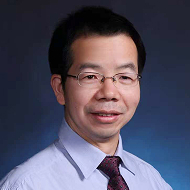
Dean, Smart Learning Institute of Beijing Normal University, China
UNESCO Chair on AI in Education
Ronghuai Huang is a Professor in Faculty of Education of Beijing Normal University (BNU). He has being engaged in the research on smart learning environment, artificial intelligence in education, educational technology as well as knowledge engineering. He received ‘Chang Jiang Scholar’ award in 2016, which is the highest academic award presented to an individual in higher education by the Ministry of Education of China. He serves as Co-Dean of Smart Learning Institute, Chairholder of the UNESCO Chair on Artificial Intelligence and Education, and Director of China National Engineering Research Center for Cyberlearning Intelligent Technology. He is very active in academic organizations both at home and abroad. He is also Committeeman of the Science Subject Expert Committee of the National Textbook Committee, Co-Leader of Information and Communication Technology Course Standard Group in Ordinary Senior High School, Vice-Chairman of China Educational Technology Association, Vice-Chairman of Teaching Guidance Committee of Educational Technology at Institutions of Higher Education, Vice-Chairman of Beijing Education Informatization Expert Committee, and Expert of MOE AI Innovation Panel. He is also President of The Global Chinese Society for Computers in Education, Vice President of International Association of Smart Learning Environments, and Editor-in-Chief of Springer’s Journal of Smart Learning Environment and Journal of Computers in Education. Till now, he has accomplished and is working on over 100 projects, and his ideas have been widely spread, with about 400 academic papers and over 40 books published at home and aboard.

Director for Science, Technology, and Educational Futures
Yew Chung Yew Wah Education Network, China
Dr. Christopher Hurley is the Director for Science, Technology and Educational Futures at the Yew Chung Yew Wah Education Network. He drives the vision and leads the development and implementation of science, technology, AI, industry projects and academic research across the network of international and bilingual schools in China and overseas. He founded the EdFutures group, collaborating with universities and companies across multiple industries to co-develop new experiential learning models. Programmes have included: medicine and biomedical research, underwater robotics, entrepreneurship incubation, law and negotiation, architecture, smart farming, planetary science, advanced research through Oxford University’s OSCAR programme. Dr. Hurley has pioneered approaches to AI-empowered ideation and inquiry, as well as interpersonal, project and research management through novel frameworks. He has trained school leaders, teachers and students across China in AI, ideation and research, and strategic development of cutting-edge science and technology. He leads an annual TEDx event held in Shanghai, bringing together young people and academics, attracting around 2000 visitors each year.
Prior to working with the Yew Chung Yew Wah Education Network, Dr. Hurley was Principal and CEO at two K-12 schools and a lecturer at three universities in Australia. He holds a Ph.D. in Medical Research from Queensland University of Technology, a Master of Educational Administration from the University of New England, and an Executive Certificate in Management and Leadership from MIT, along with the UK's National Professional Qualification for Executive Leadership (NPQEL). His current work focuses on AI and technology governance across schools, and emerging educational models based on networked-learning and human-AI management.

Deputy Vice-Chancellor
University of Waikato, New Zealand
Professor Jones amongst other things, leads on international engagement and delivery with a strong focus on the Asia-Pacific regions, including development of offshore programmes and campuses. He has responsibility for the development of the University's Tauranga Campus and wider engagement. A former Dean of Education and Research Professor, he has had a long involvement in international education and has built educational research capability in a number of countries. A current member of the Establishment Board of the Forum for World Education and is the Senior Vice President. He holds several professional leadership positions including adjunct professor and various company directorships, and is the immediate past Chair of the NZ Centre at Peking University Advisory Board.
Professor Jones main fields of research have been in science education and technology education, particularly in teaching, learning, assessment, leadership, teach education and curriculum development. He has supervised over 50 Masters and PhD research thesis as well as having over 300 publications (books, chapters, referee journal articles and conference presentations).
He has secured externally-Funded Research and Development Contracts (1992-2020): Generated and directed over $50m in external research contracts, in areas such as national and international evaluations in curriculum, school reform, ICT, curriculum development, teacher change, assessment and resource development.
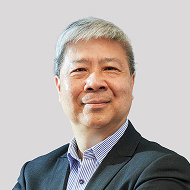
Chair Professor, Department of Mathematics and Information Technology
Director, Artificial Intelligence and Digital Competency Education Centre (AIDCEC)
The Education University of Hong Kong, Hong Kong, China
Professor KONG Siu Cheung is currently a Chair Professor at the Department of Mathematics and Information Technology and Director of the Artificial Intelligence and Digital Competency Education Centre (AIDCEC) at The Education University of Hong Kong. He serves as the Editor-in-Chief of the international journal Research and Practice in Technology Enhanced Learning (RPTEL) and Journal of Computers in Education (JCE). He is on the Stanford Top 2% Scientist in Education list from 2019 to 2025. Professor Kong is leading projects on Artificial Intelligence in Education and Artificial Intelligence Literacy for primary, secondary and university students, teachers, parents, and administrative staff in Hong Kong from 2020 to 2028. He is the programme leaders of the Master of Science in Artificial Intelligence for Executive Professionals [MSc(AIEP)] programme and the Certificate Professional Development Programme (PDP) (5-Week) on Artificial Intelligence in Primary Education at the Education University of Hong Kong.
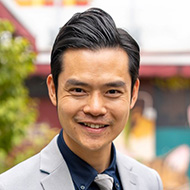
Assistant Principal
HKSYC&IA Chan Name Chong Memorial College, Hong Kong, China
Dr. Ho-ming, Mingson LAM is an education scholar and practitioner whose work bridges educational leadership, technology-enhanced pedagogy, and teacher professional learning. He holds a Doctor of Education (Ed.D., Distinction) from an overseas ENQA and IAU-affiliated university and is currently pursuing a second Doctor of Education at The University of Hong Kong, where his research explores the application of generative AI chatbots to foster self-regulated learning among secondary students.
As Assistant Principal at HKSYC&IA Chan Nam Chong Memorial Secondary College, Dr. Lam provides strategic leadership in curriculum innovation, talent development, and professional learning. Concurrently, he serves as Guest Lecturer at The University of Hong Kong and The Education University of Hong Kong, contributing to postgraduate programmes in education policy and leadership.
Dr. Lam’s research and professional practice focus on integrating artificial intelligence, blended learning, and educational psychology to enhance student autonomy and teacher effectiveness. His contributions to education innovation have been recognized with two Education Research Awards (EDB, 2022/23 & 2024/25) and the Outstanding Career Master Award.

Researcher
Our Hong Kong Foundation Limited, Hong Kong, China
Rainbow Lam is a Researcher at Our Hong Kong Foundation, where she examines education policy, youth development, and the integration of artificial intelligence and emerging technologies in academic learning. Her work focuses on AI applications in primary and secondary education in Hong Kong, alongside policy advocacy for future skills and talent development. She has published commentaries on AI education frameworks to cultivate critical thinking in the next generation and strategies to position Hong Kong as an international talent hub.
Rainbow holds an MPhil in Environmental Science, Policy, and Management from HKUST and the CFA Certificate in Sustainable Investing.
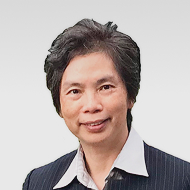
Professor and Chair of Learning Sciences and Technology
The University of Hong Kong, Hong Kong, China
Nancy Law is a professor and Chair of Learning Sciences and Technology at the University of Hong Kong. She served as Associate Dean (Research) and Associate Dean (Strategic Development) respectively in the Faculty of Education during the period July 2022 to December 2025. She was the Founding Director for the Centre for Information Technology in Education (CITE) for 15 years and is currently the Deputy Director for CITE. She led the Strategic Research Theme on the Science of Learning at the University of Hong Kong from 2013 to 2017. She is a renowned learning scientist and an elected Fellow of the International Society of the Learning Sciences. Interdisciplinary research on digital citizenship learning and assessment has been a key research focus she has led in recent years, encompassing digital literacy, artificial intelligence literacy, and their relationship to individual and societal well-being. Another key area of her research is developing an intelligent design-aware learning and analytics system—IDEALS—to support teachers in achieving effective multimodal e-learning.
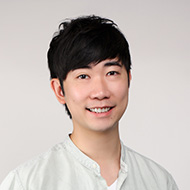
Lecturer, Division of Integrative Systems and Design (ISD)
Associate Program Director of MSc on Technology, Leadership and Entrepreneurship (TLE)
Director of AI Literacy Hub
The Hong Kong University of Science and Technology, Hong Kong, China
Dr. Jac Leung is a Lecturer in the Division of Integrative Systems and Design (ISD), Associate Program Director of MSc on Technology, Leadership and Entrepreneurship (TLE), and the Director of AI Literacy Hub at The Hong Kong University of Science and Technology (HKUST). He has attained the Doctor of Education from The University of Hong Kong, MSc in Environmental Engineering, and BSc in Mechanical Engineering. His teaching and research interests include design-based learning, design and systems thinking, AI literacy, and self-determination theory.
Dr. Leung is dedicated to promoting Human-AI collaboration in Education. He is the Principal Investigator and Co-Investigator of AI in education, metaverse, makers education, and sustainability education projects (sum ~HKD18.6M). He is the co-author of the book AI Literacy in K-16 classrooms. His co-authored article “Conceptualizing AI Literacy: An exploratory review” has 2600+ citations in Google Scholar.
Dr. Leung is a Fellow of the Higher Education Academy (FHEA) and a Fellow of the Academy of Education Excellence (AEE) at HKUST. He received the Thetos Early Career Distinguished Teaching Award in 2025 and was nominated twice for the UGC Teaching Award (Teams category in 2020, Early Career category in 2025).
He serves multiple academic committees for UG and PG programs including ISD, TLE, the Extended Major in AI program (EXT-AI), and the MPhil Technology, Innovation and Entrepreneurship (TIE). He also serves as an educational advisor for multiple AI-based enterprises.
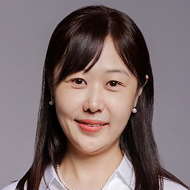
Associate Professor, Shanghai Institute of AI for Education
East China Normal University, China
Dr. Ling Li is an Associate Professor at the Shanghai Institute of AI for Education, East China Normal University. She received her PhD in Educational Technology from the University of Cambridge, Faculty of Education, and completed her postdoctoral research at the University of Hong Kong, Faculty of Education. Her research focuses on the intersection of artificial intelligence and education, particularly in human-computer collaborative evidence-based teaching research. She has served as a principal investigator for a project funded by the Shanghai Philosophy and Social Science Planning Program and has received the Outstanding Achievement Award from the University-Industry Innovation Fund for Higher Education Institutions sponsored by the Ministry of Education.
Dr. Li has been leading the development of the university-level classroom teaching and learning analytics platform at East China Normal University. This multi-agent driven system is designed to empower teachers to inquire into classroom data and refine instructional design. The platform's innovative approach was featured in the opening ceremony showcases of the "Future Class" at the 2024 World MOOC and Online Education Conference and the 2025 World Digital Education Conference.

Professor of Educational Psychology
Director of the Learning, Instruction, and Technology Lab in the School of Education
The University of Queensland, Australia
Professor Jason M. Lodge, PFHEA, is a Professor of Educational Psychology and Director of the Learning, Instruction, and Technology Lab in the School of Education at The University of Queensland, Australia. His work explores the cognitive and emotional mechanisms of learning with digital technologies, addressing critical questions of how technology, particularly AI, is shaping learning and education. Jason's research informs educational policy and practice across Australia and internationally. He serves as an expert advisor for the Australian Government and OECD, applying his work to enhance equitable learning for all students.

University Trustee Chair Professor Emerita, University of Pennsylvania, United States
Chair of the Academic Committee, Forum for World Education
Rebecca Maynard, University Trustee Chair Professor Emerita, University of Pennsylvania. Rebecca Maynard is a leading expert in the design and conduct of randomized controlled trials and rapid-cycle evaluation to generate actionable, equitable evidence to improve education and social policy and practice. She has conducted influential methodological research, including co-developing PowerUP!, to support efficient sample designs for causal inference studies, and she has been influential in advancing principles for and the practice of open science from pre-registration through data sharing and systematic reviewing and synthesis of evidence. She designed the University’s Predoctoral Training Program in Interdisciplinary Methods for Field-based Education Research, which has served more than 75 Ph.D. students from Arts and Sciences, Business, and Education, and co-directed the program with A. Brooks Bowden through 2025.
From 2010-12, she served as Commissioner of the National Center for Education Evaluation and Regional Assistance at the Institute of Education Sciences (IES), where she oversaw the Institute’s evaluation initiatives, the What Works Clearinghouse, the Regional Education Laboratories, and the National Library of Education. She has served on numerous National Academy of Sciences panels, including the highly influential Panel on Child Care Policy and, most recently, the Panel on Evidence-based Practices for Public Health Emergency Preparedness and Response.
She is a Fellow of the American Education Research Association, an elected member of the Society for Research Synthesis Methodology, and recipient of the Peter H. Rossi Award for Contributions to the Theory and Practice of Program Evaluation (2009) and the Society for Research on Adolescence Social Policy Best Book Award for Kids Having Kids (1998). She also is past President of both the Association for Public Policy Analysis and Management (APPAM) and the Society for Research on Educational Effectiveness. Prior to joining the University of Pennsylvania faculty in 1993, she was Senior Vice President at Mathematica Policy Research, Inc.

Director, Center for Education Innovation
The Hong Kong University of Science and Technology, Hong Kong, China
Dr Sean McMinn joined The Hong Kong University of Science and Technology (HKUST) in July 2022 as the Director of Center for Education Innovation.
Sean holds a PhD in E-Research and Technology Enhanced Learning from Lancaster University, United Kingdom. He first joined HKUST in 2005 and had since taken up various teaching and leadership roles in the Center for Language Education (CLE) and School of Humanities and Social Science (SHSS). Sean had been the Academic Director of the Master Program in International Language Education offered by SHSS (2018-2020) and the Associate Director of CLE (2020). He left the University in 2021 and joined the Hong Kong Polytechnic University as Director of the English Language Centre, where he led over 100 academic and non-academic staff members to support the English language teaching and learning for the University.

Dhirubhai Ambani Professor of Innovation and Entrepreneurship
Professor of Operations, Information and Decisions
Senior Vice Dean for Innovation and Global Initiatives
Wharton School, University of Pennsylvania, United States
Serguei Netessine is Senior Vice Dean for Innovation & Global Initiatives and the Dhirubhai Ambani Professor of Innovation & Entrepreneurship at the Wharton School, University of Pennsylvania. A computer scientist by training and management researcher by practice, his work sits at the intersection of AI, entrepreneurship, and education transformation. He is the author of "The Risk-Driven Business Model" (Harvard Business Press), an angel investor, and a partner in venture capital funds. He has lived and worked across Russia, the United States, France, and Singapore, and brings a genuinely global perspective to the future of education.
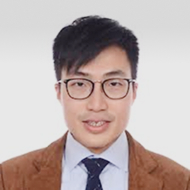
Assistant Professor
The Education University of Hong Kong, Hong Kong, China
Dr. Davy Ng is currently an Assistant Professor at the Education University of Hong Kong. He has been IT and STEM Education Panel Head at a local secondary school in Hong Kong, and a Visiting Scholar at the Division of Integrative Systems and Design, Hong Kong University of Science and Technology. His research interests lie in the areas of (Generative) AI literacy, metaverse and STEAM education, and technology-enhanced pedagogic innovation. He has published around 50 articles, many in Q1 journals, and authored a book on AI literacy that obtained the China New Development Award from Springer Nature in 2023. He has been named in the 2024 and 2025 Stanford's List of World's Top 2% Scientists in Education.

Data Innovation Lead
English Schools Foundation, Hong Kong, China
Dr. Alexey Popov is Data Innovation Lead at English Schools Foundation, a group of 22 international schools in Hong Kong. In this role he leads a group of software developers and works with expert educators to design bespoke AI tools that attempt to fuse psychological expertise and artificial intelligence, for the benefit of education. They explore the intersection of knowledge engineering, cognitive science and symbolic AI in a way that is impactful for real-world teaching and learning practices. The most recent of these projects is Attain - a suite of AI tools powered by a cognitive simulation that redesigns a curriculum into a detailed psychologically accurate student model.
Alexey holds two Master's degrees (linguistics and psychology) and a PhD in Educational psychology. He is a self-taught data scientist and software developer.
Prior to the current role he had extensive experience as an educator. Alexey taught IB Psychology and Theory of Knowledge in Russia, India and Hong Kong. He has been involved with the IB educator network as an examiner, workshop leader, curriculum developer and textbook author (Oxford University Press).
Prior to that, Alexey had a variety of roles related to psychology. His research focused on cognitive biases, critical thinking and his own theory of academic potential. This resulted in the development of several psychometric tests and several dozen publications. He also worked as a scientific consultant for an HR company that created assessment procedures and predictive algorithms for businesses. For a period of time he practiced psychotherapy with private clients, with a focus on Gestalt therapy and transactional analysis. He was involved in social work as well, with a focus on investigating destructive cults and helping people who have suffered their negative impact.
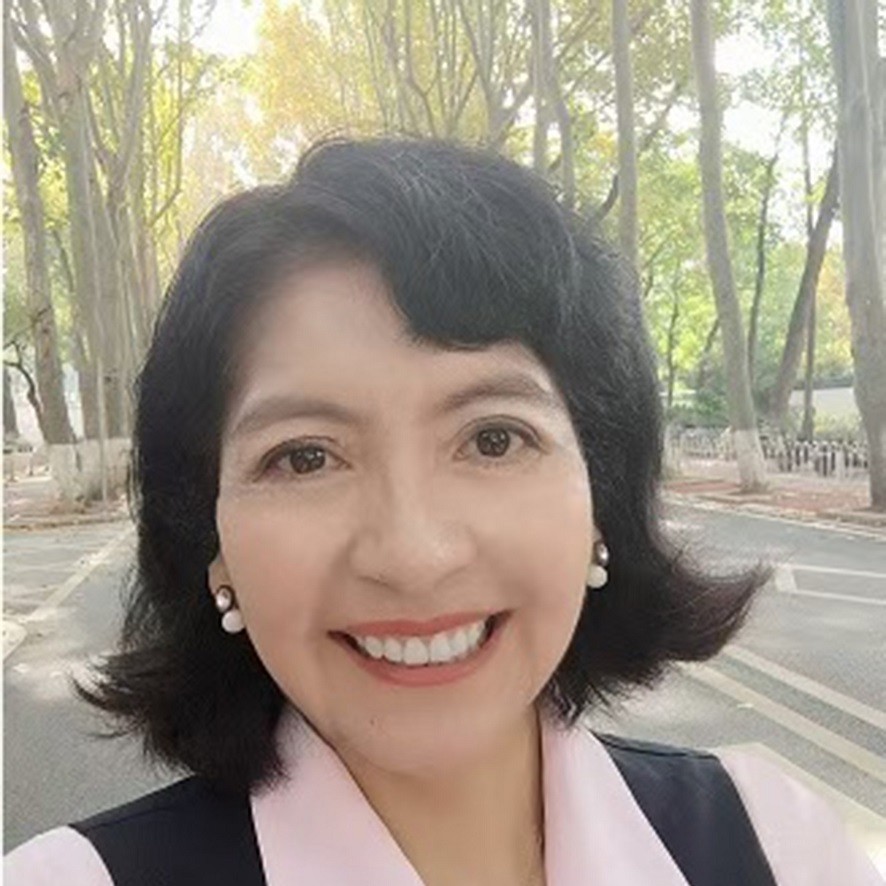
Associate Professor
School of Artificial Intelligence
Hubei Preschool Teachers College, China
Sdenka Zobeida SALAS-PILCO received the B.E. degree in Statistical Engineering, and the Ph.D. degree from The University of Hong Kong (Division of Information and Technology Studies). She completed specialized training in Japan, India, and Korea. She also worked at the Peruvian Ministry of Education as an Information and Communication Technology (ICT) Specialist, where she was responsible for planning, developing and implementing educational policies on technology. She worked at the Faculty of Artificial Intelligence in Education, at Central China Normal University, and recently started working as Associate Professor and Foreign Expert at the Hubei Preschool Teachers College, in the School of Artificial Intelligence.
Her research interests include artificial intelligence, learning analytics, STEAM education, technology policy and regulation. She has a multidisciplinary background and has conducted research at Kyoto University in Japan, as well as in Hong Kong and mainland China. She has published papers in top international journals and served as a Guest Editor for the British Journal of Educational Technology. Dr. Salas-Pilco has been listed in the ranking of the World’s Top 2% of Scientists compiled by Stanford University and Elsevier.
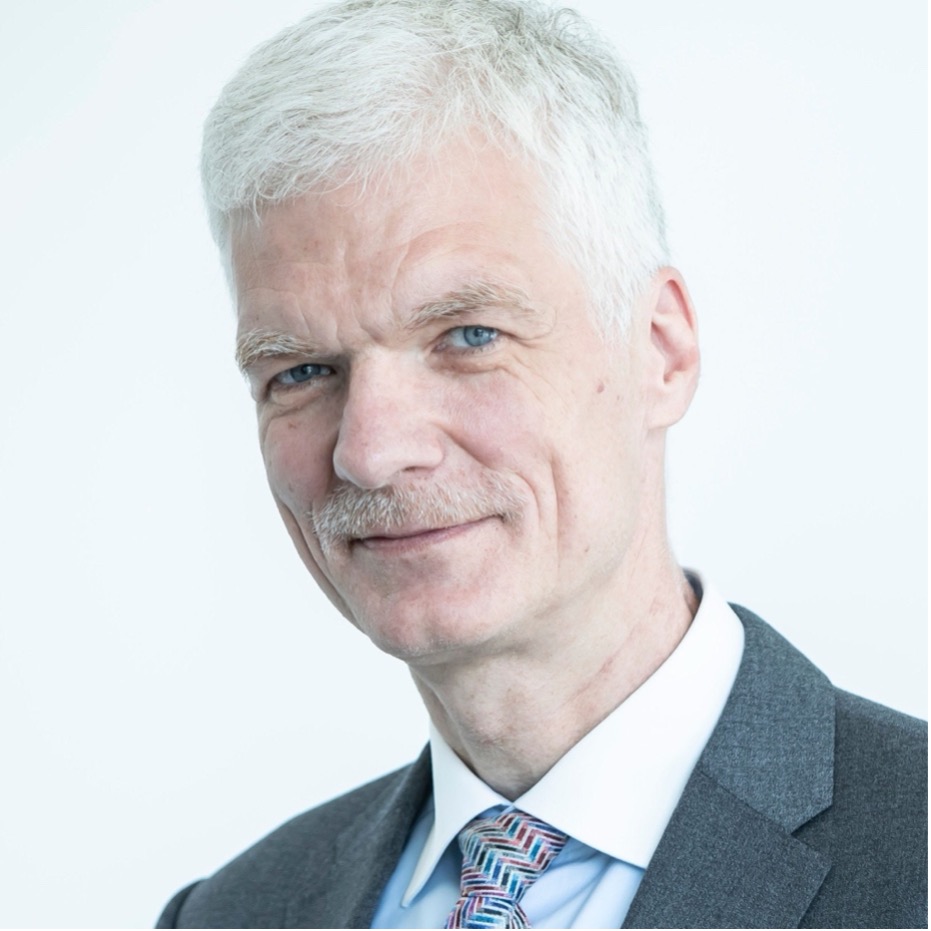
Director for Education and Skills
Organisation for Economic Co-operation and Development (OECD)
Andreas Schleicher is Director for Education and Skills at the Organization for Economic Co-operation and Development (OECD). He initiated and oversees the Program for International Student Assessment (PISA) and other international instruments that have created a global platform for policymakers, researchers, and educators across nations and cultures to innovate and transform educational policies and practices.
He has worked for over 20 years with ministers and education leaders worldwide to improve the quality and equity of education. Former U.S. Secretary of Education Arne Duncan said that Schleicher “understands the global issues and challenges as well as or better than anyone I’ve met, and he tells me the truth” (The Atlantic, July 11). UK Secretary of State Michael Gove called Schleicher “the most important man in English education” – even though he is German and lives in France.
Before joining the OECD, he was Director for Analysis at the International Association for Educational Achievement (IEA). He studied Physics in Germany and received a degree in Mathematics and Statistics in Australia. He is the recipient of numerous honors and awards, including the “Theodor Heuss” prize, awarded in the name of the first president of the Federal Republic of Germany for “exemplary democratic engagement”. He holds an honorary Professorship at the University of Heidelberg.

Vice President, Forum for World Education
Susan Sclafani, Vice President for Programs, Forum for World Education. She is a former Assistant Secretary, U.S. Department of Education. Susan Sclafani works with the Forum for World Education to plan virtual and in-person programs, bringing business and education leaders together to focus on effective practices to educate children across the world. Dr. Sclafani worked at Pearson Education as VP, Program Management on a digital system of courses for K-12 English language arts and K-11 mathematics; served as Director of State Services for the National Center on Education and the Economy; and Managing Director of Chartwell, working with international organizations on education issues. As Assistant Secretary of Education for Vocational and Adult Education and Counselor to the Secretary of Education from 2001-2005, Dr. Sclafani was the US education representative to OECD and APEC and led the Mathematics and Science Initiative, the High School Redesign Initiative and the E-Language Learning Project with the Chinese Ministry of Education. Dr. Sclafani’s instructional leadership work at the Houston Independent School District culminated in the district’s win of the first Broad Prize for Outstanding Urban Districts in 2000.
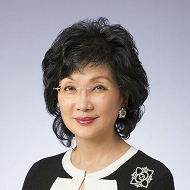
Council Vice-Chair, The Hong Kong University of Science and Technology, Hong Kong, China
Board Member, Forum for World Education
Ms. Edith Shih, a Council Member of HKUST since August 2018, is an Executive Director and the Company Secretary of CK Hutchison Holdings Limited, where she has overseen legal, regulatory, corporate governance and compliance matters for over 30 years.
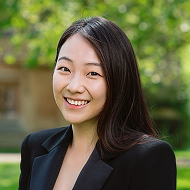
Assistant Lecturer, Common Core
The University of Hong Kong, Hong Kong, China
McQueen Sum serves as Assistant Lecturer at the University of Hong Kong Common Core, where she runs teacher training workshops for university faculty. At the heart of her work is a firm belief that education, technology, and goodwill can meaningfully shape a better world. In 2023, she was a Young Leader at the Forum for World Education. She is a Clarendon Scholar reading for the DPhil in Education at the University of Oxford, with research interests in teachers' work and higher education. McQueen is also the founder of Project Agora, an education center pioneering curriculum design for project based and interdisciplinary learning for P to 12 students. She previously earned her master's degree at Teachers College, Columbia University. She will serve as President of the Rotary Club of Neoteric Hong Kong for 2026 to 2027, a club dedicated to youth centered service.

Dean of the Graduate School of Education
University of Pennsylvania, United States
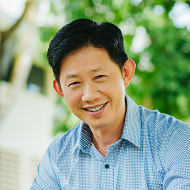
Provost’s Chair in Education, and the Associate Vice Provost (Education Transformation)
Nanyang Technological University (NTU), Singapore
Dr TAN Seng Chee is the Provost’s Chair in Education, and the Associate Vice Provost (Education Transformation) at the Nanyang Technological University (NTU). His research focuses on exploring and integrating emerging technologies into education, for pedagogical innovation that has an impact in authentic classrooms. He has explored technologies such as computer-supported collaborative learning, knowledge building, learning analytics, and artificial intelligence. As a university teacher, he has developed and taught over 20 courses, ranging from undergraduate to doctoral levels, primarily focusing on emerging technologies and pedagogies. In addition to his academic roles, he has served on the editorial boards of journals like Instructional Science and IEEE Transactions on Learning Technologies. He has also conducted workshops and delivered talks in numerous economies, including Australia, Canada, China, Dubai, India, Malaysia, Singapore, South Korea, Taiwan, and Vietnam.
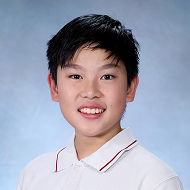
Student
Chinese International School, Hong Kong, China
Ryan Tang is a 13‑year‑old student at Chinese International School in Hong Kong who loves performance, public speaking, and learning. He is an experienced speaker and debater, having won the championship of the Hong Kong Federation of Youth Groups English Public Speaking Contest in 2025 and competed at the Asian Junior Debate Championships, where he earned multiple top speaker and breaking team awards.
On stage, Ryan has been selected as one of only 40 cast members out of 500 auditionees for the Hong Kong Youth Arts Foundation annual shows for two consecutive years and has taken on lead roles in student films, including a nomination for Best Actor at the CIS Phoenix Film Awards. He already has MC experience, having served as Master of Ceremony for Esperanza Edtech Conference, FWE conference in 2023, HK Standard Chartered Arts in the Park and for the Playright Dream Together Playground Groundbreaking Ceremony.
Beyond the stage, Ryan balances his interests in basketball, music, and sustainability: he is a music lover currently working toward his drum diploma exam with Rock School and a leader in Ocean Park’s conservation program - Seahorse Rangers, whose school team won a Distinguished Innovation Award. He recently began applying AI to develop a note‑taking app for students and is excited about the future possibilities of AI. Ryan also enjoys learning from his two elder sisters, who are both studying at college in the United States.

Vice Dean, School of Education
Tsinghua University, China
Higher education internationalization, comparative and international higher education, and the sociology of education. Her current work explores how geopolitics and technology have shaped learning, teaching, and self-formation in higher education, and how institutions can enhance the agency of both professors and students. She was a Fulbright Scholar at Harvard University and a Visiting Scholar at the Center for International Higher Education at Boston College. Her latest book, The Global Development of AI-Empowered Higher Education: Beyond the Horizon, was published in 2025 by Springer Nature.

Senior fellow and Director of the Center for Universal Education
Brookings Institution, United States
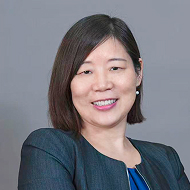
Director, Examinations, Assessment and Research
Hong Kong Examinations and Assessment Authority, Hong Kong, China
Xiaoming Xi is Director at the Hong Kong Examinations and Assessment Authority, leading the Assessment Technology and Research Division, the Education Assessment Services Division and the International and Professional Examinations Division. Previously she was Executive Director of New Product Development and Senior Director in R&D at ETS. Her research leadership has impacted global large-scale tests such as ETS’s TOEFL, TOEIC and higher education tests as well as Hong Kong’s tests for college admissions, teacher certification and students’ progress monitoring.
A strong contributor to the educational assessment community, Xiaoming has been a Council Member of the International Test Commission (ITC) since September 2023. She has also served on the Executive Board of the International Language Testing Association (ILTA), chaired various ILTA award committees, and currently chairs the ILTA By-Laws Committee.
Xiaoming has been on the Editorial Board of several leading assessment journals, and has won multiple awards, including the 2015 Top 25 Women in Higher Education and Beyond, the Sage/ILTA Best Book Award, and the ILTA Best Language Testing Paper Award.
Xiaoming has published widely in assessment theories and practices including validity, fairness, construct definition, assessment design, human and automated scoring, and AI technology. She has guest edited two AI-related special issues “Automated Scoring and Feedback Systems” and “Advancing Language Assessment with AI and ML” for Language Testing and Language Assessment Quarterly respectively and has multiple patents in applications of AI.
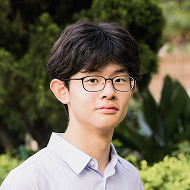
La Salle College, Hong Kong, China
Eason (Yichen) Xie is a Form 5 student researcher at La Salle College, Hong Kong, working at the intersection of quantum computing, photonic systems, and artificial intelligence. His research asks how quantum and photonic hardware can move beyond small-scale demonstrations toward scalable learning and simulation tasks.
He has conducted research at the Cavendish Laboratory, University of Cambridge, and Quandela in Paris, and collaborated with Classiq Technologies following his first-place finish at MIT iQuHACK 2025. His work spans photonic quantum machine learning scalability, quantum simulation, quantum circuit design, and energy-efficient AI training. Across these projects, he has contributed to algorithm design, simulation pipelines, benchmarking, and the analysis of scaling behavior in quantum and photonic learning systems.
His research has resulted in multiple peer-reviewed papers at international venues including IEEE QCE, IEEE qCCL, and IEEE IJCNN. Beyond the laboratory, Eason serves as Captain of his school’s STEAM Team, organizing workshops and lectures that have inspired junior students to begin research projects of their own. He is also an avid astrophotographer, spending nights capturing deep-sky objects from Hong Kong’s coastlines.
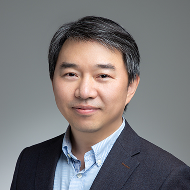
Hong Kong RGC Senior Research Fellow
Head of the Department of Curriculum and Instruction
The Education University of Hong Kong, Hong Kong, China
Professor Zi Yan is a Hong Kong RGC Senior Research Fellow and the Head of the Department of Curriculum and Instruction at The Education University of Hong Kong. He also holds the position of Honorary Professor at the Centre for Research in Assessment and Digital Learning at Deakin University. He has been listed among Stanford University's top 2% most-cited scientists. His research and publications primarily focus on two areas: educational assessment in both school and higher education contexts, with a particular emphasis on student self-assessment, and Rasch measurement, specifically its application in educational and psychological research. Additionally, he regularly conducted professional development workshops for principals and teachers from Hong Kong, Macau, mainland China, and overseas.
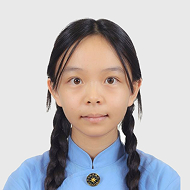
Kowloon True Light School, Hong Kong, China
As a capable student leader in her form, Blue successfully balances logic and creativity. She frequently participates in mathematics competitions, including maths modeling and Olympiads. Additionally, she is a talented musician, earning multiple awards in various school orchestra and choir performances.
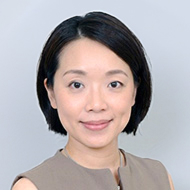
Vice Principal
Maryknoll Convent School (Secondary Section), Hong Kong, China
With over two decades of service in the secondary sector, Sally Yip is an educator who has built on her experience as a geography specialist to become a strategic leader in school management. Throughout her career, she has focused on preparing students for an increasingly complex world, ensuring that technological progress is balanced by the cultivation of responsible, thoughtful learners.
This niche is rooted in the synthesis of two professional pillars: 8 years leading academic affairs, followed by 6 years dedicated to pastoral care. This dual expertise allows her to address the widening AI divide as a human challenge rather than a technical hurdle—bridging the needs of management, staff, and families with practical acumen and empathy.
Sally advocates a human-centric approach to innovation, believing that technology must serve as a tool for connection rather than a source of division. By prioritising the human touch, she ensures that character and interpersonal relationships remain at the heart of the educational experience. Looking forward, she aims to foster adaptable communities where students are equipped to face the future with both intelligence and integrity.
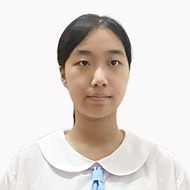
Christian Alliance SW Chan Memorial College, Hong Kong, China
A high school student studying at Christian Alliance SW Chan Memorial College, dedicated to systematic learning and positive academic engagement, who enjoys various subjects and uses AI to support academic learning effectively.
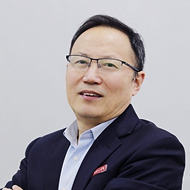
President
Xiangtan Institute of Technology, China
Yuan Libin, Professor, President of Xiangtan Institute of Technology. He received his Ph.D. in Economics from the School of Business, Renmin University of China in 1996. He has served as a professor at Yangzhou University, a provincial-level interdisciplinary leader in Jiangsu Province, a consultant for the provincial party committee and government, and a part-time professor at Furtwangen University in Germany.